
When The Courtroom Replaced the NCAA Rulebook
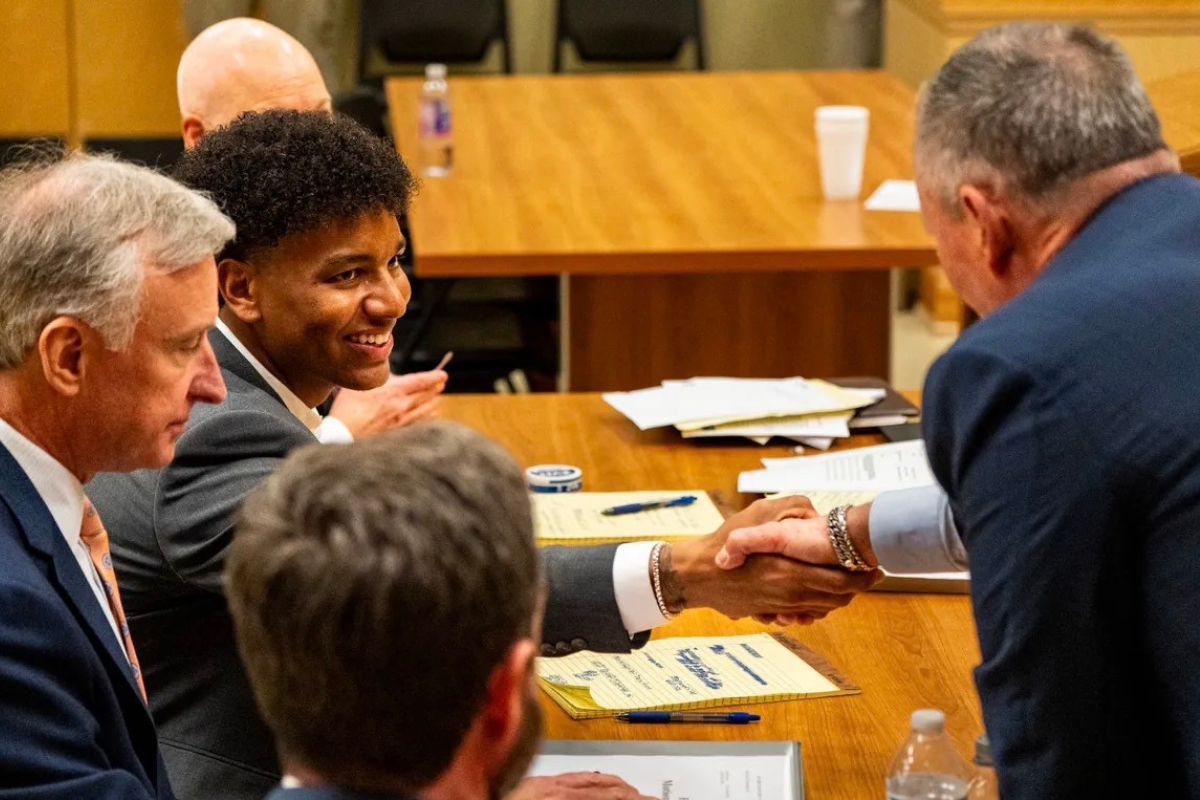
Photo by Ayrton Breckenridge/Clarion Ledger
The NCAA had a choice in the Trinidad Chambliss eligibility case. It could quietly step aside, acknowledge the shifting legal and political reality of college athletics, and avoid another public loss. Instead, it chose to flex what little muscle it believed it still had. The result was almost predictable. A Mississippi judge issued an injunction allowing Trinidad Chambliss to play a sixth season of college football, and with that ruling, the NCAA’s authority over college football took another decisive hit.
This wasn’t a close call. And it wasn’t controversial in the way the NCAA likely hoped it would be. The organization denied Chambliss’ appeal, attempted to enforce eligibility rules that increasingly lack teeth, and was promptly overruled by the judicial system. One gavel swing later, the NCAA looked less like a governing body and more like a procedural obstacle. AN obstacle that can be bypassed with the right legal argument and the right courtroom.
What’s important here is what this case is not. This is not Trinidad Chambliss gaming the system. It is not a school acting recklessly. It is not lawyers exploiting some obscure technicality. Chambliss pursued the same avenue that dozens of athletes before him have taken when NCAA decisions clash with basic fairness, economic reality, or legal scrutiny. The courts did what the courts have been doing for years now: stepping in where the NCAA has lost credibility.
The uncomfortable truth for the NCAA is that this outcome is entirely self inflicted. For decades, the organization operated with unchecked authority, inconsistent enforcement, and a rulebook that often felt arbitrary depending on the athlete, the school, or the revenue involved. When athletes had no real leverage, that system held. Once NIL, transfer freedom, and antitrust scrutiny entered the picture, the foundation cracked. Instead of modernizing proactively, the NCAA spent years playing defense. It fought change in courtrooms, issued reactive policy shifts, and attempted to preserve control through bureaucracy rather than legitimacy. The Trinidad Chambliss ruling is simply the latest moment where that strategy collapsed under pressure.
What makes this case particularly damning is how routine it felt. There was no shock value. No collective gasp from the sport. Coaches, administrators, and fans have grown accustomed to the idea that if the NCAA says no, a court might say yes, which it often does. That lack of fear is telling. Governing bodies function on trust and authority. The NCAA has steadily lost both.
College football institutions understand this reality. Conferences understand it. State governments understand it. When eligibility, NIL, or employment adjacent issues arise, the NCAA is no longer the final word. It is just one stop in a process that increasingly ends in court. The Chambliss injunction reinforces that reality in a very public way. This is why calling the NCAA the governing body of college football now feels outdated. Real power has shifted elsewhere. The power is now in the hands of the conferences, lawmakers, and judges who are far more willing to question the NCAA’s logic than defer to it. When a single injunction can override an eligibility denial without hesitation, governance becomes symbolic at best.
The NCAA didn’t lose control because of Trinidad Chambliss. It lost control because it spent years refusing to adapt while the ground beneath college football changed. This ruling didn’t create the problem. It simply confirmed it. The fear is gone. The respect is gone. And with every gavel that comes down against it, the NCAA moves further from authority and closer to irrelevance.